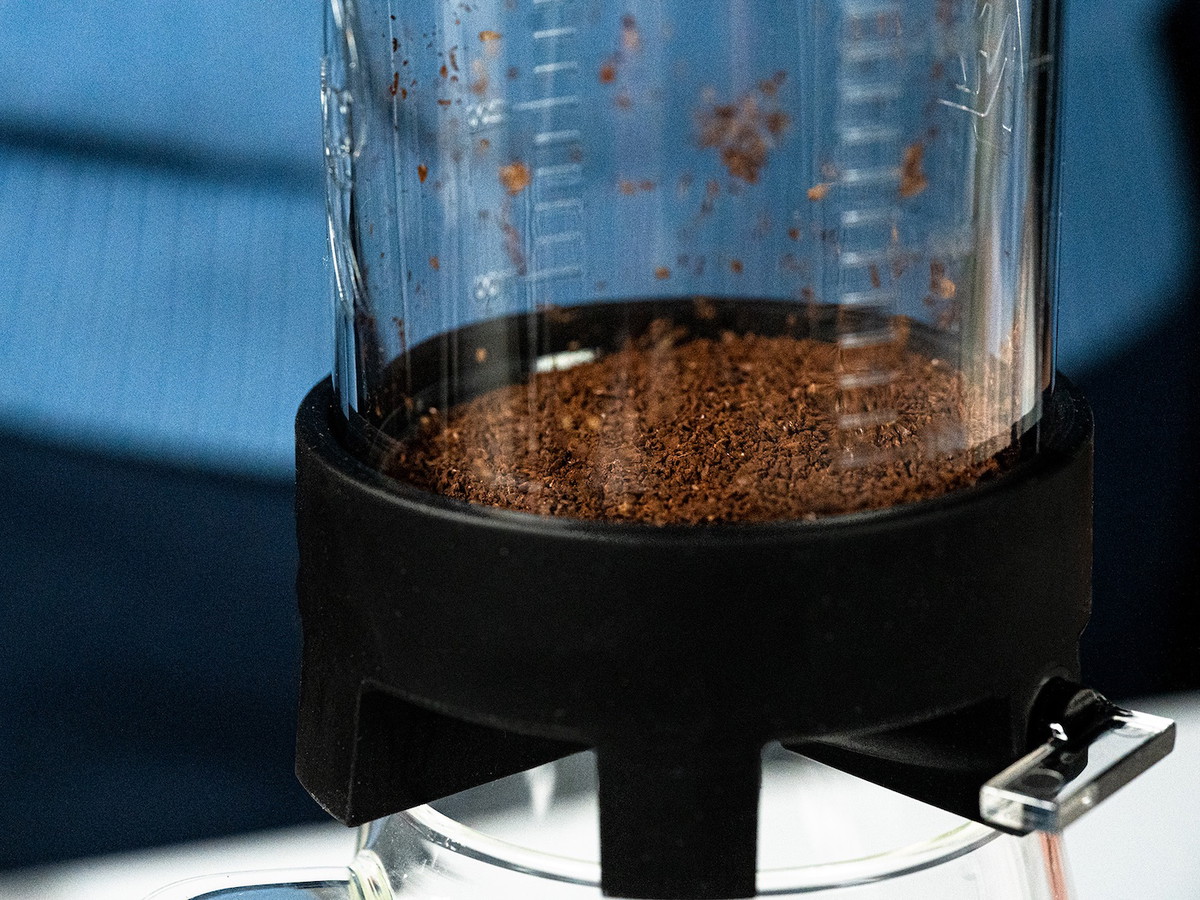
The NextLevel Pulsar Dripper may consistently make some of the best coffee you've ever tasted. After I made my first few brews on it, it was all I wanted to use for weeks.
Why? Few coffee brewers have its combined set of features, flexibility, and extraction science. It's as fool-proof as any coffee dripper I've tried in a long time (once you get the hang of it), it's durable, it goes where your creativity wants to take it, and — most importantly — it makes extremely tasty coffee that marries delicious sweetness with lovely clarity.
Here, I'll give you my experience with this wonderful brewer along with the recipe I've gone back to the most.

Skip to the Recipe
MY RECIPE
In this recipe, I'm using a smaller dose - 20 grams - for one nicely sized cup of coffee. I'm primarily using a percolation method that incorporates a full immersion bloom. Together, it provides a deliciously sweet brew with high clarity, perfect for really getting out origin notes from your cup.
This is by no means the only recipe for this dripper, but it's the one I've found myself going back to most often for a great cup.
FEATURES OF THE NEXTLEVEL PULSAR DRIPPER
Here's the rundown of everything the Pulsar Dripper offers, with some unpacking to follow:
- No-bypass brewing
- Flow control
- Easy pouring with flow dispersion screen
- Can be used for percolation or full immersion brewing (or a combination of each)
What is no-bypass brewing?
Put simply, water is forced to make its way through the bed of coffee and cannot "bypass" it in any way.
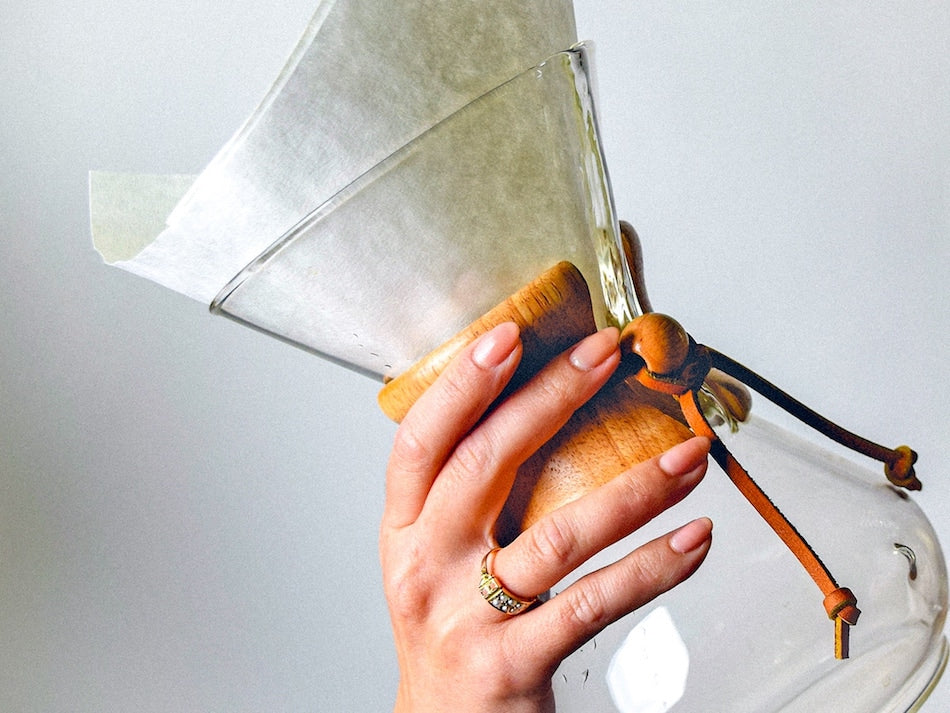
In traditional pour over devices, such as the V60, Chemex, or the Kalita Wave 185, water is able to "sneak" out the side of the paper filter and "bypass" the coffee bed entirely. You can actually see this happen on glass V60s and Chemex brewers. Perfectly tasty cups are possible in these brewers, but can perhaps lead to more finickiness in the brew and less consistency.

Channeling occurring in the V60
What is flow control?
Flow control means you can control how fast liquid is allowed out of the brewer, thereby giving you extra control of brew time. The NextLevel Pulsar's innovative valve system contains a unique cut out that allows more or less liquid out of the brewer. Brewers like the Hario Switch or the Clever Dripper have a 100% closed or 100% open system, but the NextLevel gives you a practically limitless range between the two.
In practical terms, this means if you accidentally — or purposely — grind too coarse, you can slow the brew time down considerably by choking off the valve.

Flow dispersion screen
This screen ensures a gentle stream of water hits the grounds and keeps the bed level. A flat, even bed that sits snugly at the bottom of the brewer is an essential part of the brewing system. This screen also means you don't truly need a gooseneck kettle to brew, which is a nice departure from other brewers!

Percolation or Full Immersion
Percolation is, in simple terms, water coming into and out of the brewer at the same time (think traditional V60 or drip coffee maker).
Full immersion means that all water is in contact with all coffee grounds at the same time (think French Press).
The valve system on the NextLevel Pulsar allows for either or — more excitingly — both in one brew.
BENEFITS OF THE NEXTLEVEL PULSAR DRIPPER
- Unbound brew recipes
- Choose-your-own-adventure brewing with the flow control valve
- Don't truly need a gooseneck kettle with the included dispersion screen
- Fairly easy clean up. Just be sure to thoroughly rinse and give a little scrub to the base
- Durable
LIMITATIONS OF THE NEXTLEVEL PULSAR DRIPPER
- Suggested minimum coffee + maximum coffee: The Pulsar works best in the 20 to 30 gram range, and can do up to 40 grams. This can be tricky for coffee drinkers that prefer a smaller cup (like myself, which is why I still use the V60 for a lot of my brews)
- Not the fastest coffee brewer if time is important to you. Average brew times are between 3:30 and 4:00 minutes, sometimes stretching to 7:00!
- Moderate learning curve. There's nothing quite like this brewer, so it can seem unfamiliar to even more seasoned pour over enthusiasts
- Filters can only be bought through the manufacturer (but filters can be used a couple of times before disposal, if rinsed well)
- Pretty big and not that easy to store
- Not great for travel

TIPS AND TRICKS FOR THE PULSAR DRIPPER
- Keep the bed flat: Whatever you do, try to maintain a flat bed that rests nicely at the bottom of the dripper.
- Sometimes, double bloom: If you have very fresh coffee with a lot of gas / CO2, allow for a "second bloom" where you let the brewer completely drain one more time. This helps keep a flatter, more level bed.
- Hotter is better: Use hotter water than usual to compensate for the flow screen (we like to start with near boiling water for light-medium single origins). If you love dark roasts, stick to the lower side still.
- (optional) Use the filters more than once: I like to give it a rinse and dry with a towel right after using to keep it fresh
Let's Get Brewing!